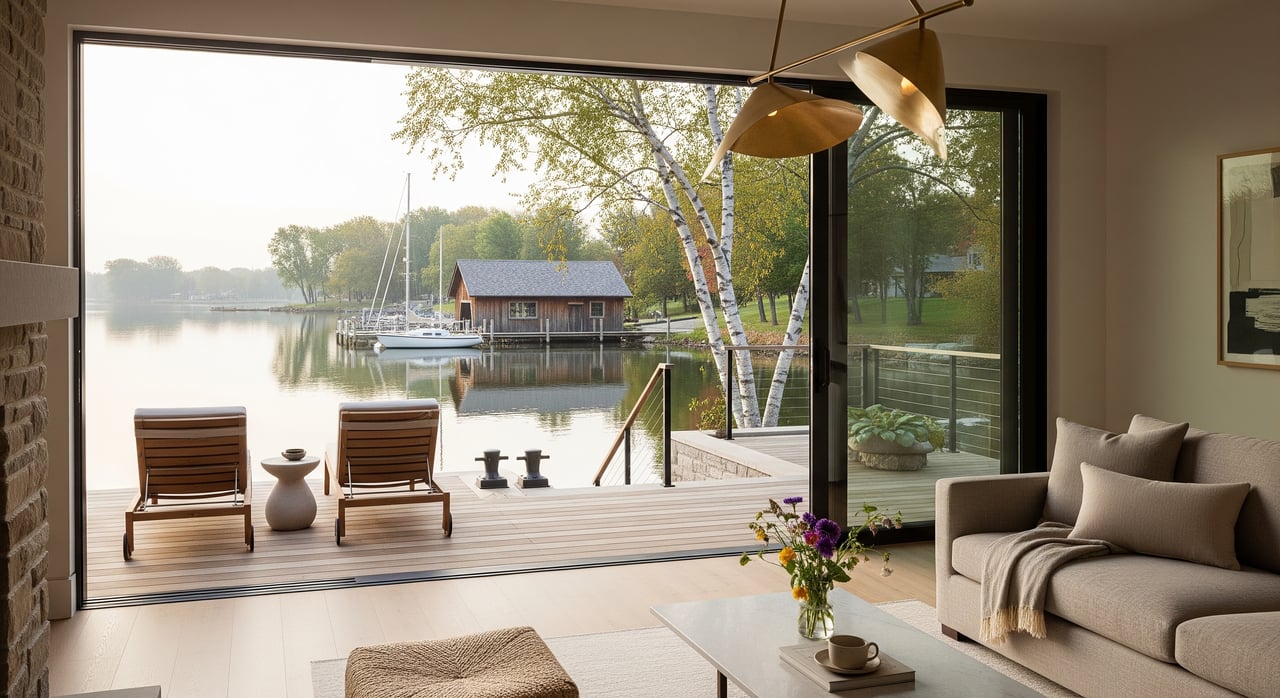
Imagine stepping onto your deck with coffee in hand as the lake warms with sunrise and a few early boats idle past the docks. If you picture effortless walks to dinner, summer days on the water, and quiet winter evenings with a view of the frozen bay, Wayzata delivers that rhythm. You also want the practical truth about docks, seasonality, parking, and what daily routines actually feel like here. In this guide, you’ll see how lakefront life plays out across the seasons, plus the essential checks to make before you buy. Let’s dive in.
What lakefront life feels like
Mornings on the shoreline
Most mornings start slow and bright. You might watch sailboats and paddleboarders as you plan the day, or fit in a quick run along the waterfront promenade before work. On calm days you hear soft dock lines and gulls, not traffic. In peak summer, you feel the town come alive by mid-morning as patios set for lunch and marinas get moving.
Workdays and errands
If you work locally, the downtown core makes walking to a coffee meeting or a quick errand easy. Many residents commute by car to Minneapolis or nearby job centers, and the drive typically depends on time of day and traffic. You can return to the lake by late afternoon for a quick cruise or a short walk before dinner. Everyday errands are close by, while big-box shopping and major medical centers are in nearby suburbs or Minneapolis.
Evenings and weekends
Evenings often mean a waterfront patio, a stroll into town, or a slow cruise along the shoreline. Summer weekends bring more boat traffic and visitors, which adds energy to downtown and the harbor. If you live close to public access points, expect more foot traffic in peak season. In winter, life is quieter on the water, and you may see ice fishing houses dotting the bay.
Neighborhoods and home types
True lakefront homes
These properties often include private docks and direct water access. Some are classic cottages that have been updated, while others are new builds designed for year-round lakeshore living. Lakefront parcels command a significant premium compared with inland properties, and inventory can be limited. Expect more competition for well-located lots.
Near-lake and association access
Homes a short walk from the water may have shared shoreline or association slips. If dock access matters to you, confirm details early. Some lots have limited or no docking rights, and rules vary by location. Shared docks can be a great solution, but availability and use restrictions matter.
Condos and townhomes
Downtown and harbor-area communities offer a lock-and-leave lifestyle. You may find shared amenities, potential access to nearby marina slips, and easy walkability to restaurants and shops. This setup appeals if you want lake access with lower maintenance than a large single-family property. Slip availability can be seasonal and fee based.
Renovated cottages and new construction
Older cabins and boathouse conversions still exist, often updated for modern living. You also see high-end new construction designed to maximize views and indoor-outdoor flow. If you plan a rebuild or major addition, review local zoning, shoreland rules, and approvals before you buy. Timelines and permitting can affect your move-in plan.
Boating and dock reality
Private docks and rules
Docks and boathouses on Lake Minnetonka are regulated. Structures often require approvals from the city and the Lake Minnetonka Conservation District. Setbacks, size limits, and shared-dock scenarios are part of the picture. Always verify what is permitted for a specific parcel rather than assuming.
Slips at marinas and condos
Many residents rely on marina slips or association slips when a private dock is not included. Costs, waitlists, and rules vary by location and season. If you want guaranteed access, start your search well before summer. Add slip availability and fees to your total cost of ownership.
Noise, privacy, and busy bays
Lake activity spikes on summer weekends. Bays near downtown and public access points feel livelier, while some areas are calmer during typical evenings. A home that feels serene in January can be buzzing in July. Visit properties at different times to understand the true sound and privacy profile.
Everyday convenience
Walkability and errands
Wayzata’s downtown is compact and very walkable, with dining, coffee, and boutiques steps from the water. Walkability decreases as you move inland, where streets are quieter and more residential. Decide whether you want a “walk-to-dinner” location or a more secluded feel. Both are available within a short drive of the lakefront.
Parks, beaches, and public access
You have public shoreline spots for gathering, swimming, and short walks. These areas add to the social vibe and offer easy lake enjoyment without a boat. Proximity to public access can increase foot traffic in peak season. If you value privacy, note nearby parks and public docks during your tours.
Parking and summer traffic
Downtown offers a mix of on-street and municipal-lot parking that works well most weekdays. Summer weekends and event days can feel busier around the harbor and launch points. If you host often, consider guest parking options at home or in your building. Check current city parking rules if you plan frequent waterfront gatherings.
Getting around
Commuting patterns
Most residents drive to work in Minneapolis or nearby job centers. Wayzata sits west of downtown Minneapolis, roughly a 10 to 20 minute drive depending on traffic. Express bus and regional transit options serve the western suburbs, but routes and schedules change. Confirm the best option for your address and commute hours.
Airport access
The Minneapolis–Saint Paul International Airport is the region’s main hub. Travel time from Wayzata is in line with metro averages and depends on traffic and departure times. If you fly frequently, test the route at your typical travel hours. A car service can simplify early or late departures.
Biking and transit
Cycling is popular for recreation on local sidewalks and trails. Some residents bike to nearby suburbs or transit hubs when weather allows. Dedicated bike routes into Minneapolis are longer, so many choose to drive or use park-and-ride. Plan your commuting approach by season.
Seasonal rhythms you will feel
Spring
The lake wakes up as marinas open and boats launch. Homeowners tackle yard and shoreline prep, and buyers tour more actively. If you are buying, spring is a prime time to assess docks and shoreline conditions. Inspect early to plan summer use.
Summer
This is peak lake life with boating, swimming, patios, and community events. Weekend crowds bring energy and more parking demand. Marina slips and guest dock space are tight. If you own a boat, get on waitlists early and plan your fueling and service schedule.
Fall
Boating winds down and fall colors make for scenic walks and slow cruises. Renovations and larger projects often happen now as the pace eases. It is a great season to review shorelines after summer use. You can also plan winter upgrades before the deep freeze.
Winter
The lake freezes in most winters, and you may see ice fishing, skating on cleared rinks, and quiet shoreline walks. Ice safety varies by year and location, so follow local guidance before venturing out. Lakeside homes feel more peaceful in winter. Holiday gatherings and events keep the town active even when boats are stored.
What to know before you buy
Shoreline rules and permits
Shoreline changes, riprap, and vegetation work are regulated. Docks, lifts, boathouses, and shared dock arrangements often need approvals. Review local shoreland zoning and the Lake Minnetonka Conservation District rules for any property you consider. A quick document check can prevent costly surprises.
Utilities and systems
Sewer and water service varies by parcel. Some lakefront lots may still use private septic systems, which require maintenance and may affect renovation plans. Confirm current utility status and any planned municipal projects. Factor upgrades or hookups into your budget.
Insurance and risk
Lakeshore homes can face erosion, flood risk in severe events, and stormwater issues. Talk with an insurance broker who understands lakeshore coverage and riders. Review floodplain and elevation information before you finalize terms. Strong documentation helps during underwriting and future resale.
Schools and boundaries
Wayzata Public Schools serve the area, and many buyers ask about programs and boundaries. Boundaries can change, and different parts of Lake Minnetonka fall into different districts. Verify the assigned schools for any address directly with the district. Use official sources, not assumptions.
Try this before you decide
- Visit the property at three times: a weekday morning, a summer weekend afternoon, and a winter weekend.
- Confirm dock and boathouse rights in the deed and with local approvals. Ask for permits and surveys.
- Ask about marina or association slip availability, waitlists, and fees if you need a slip.
- Review shoreline condition and any erosion history. Check for planned shoreline projects nearby.
- Verify sewer versus septic, and the status of any upcoming utility work.
- Check floodplain and elevation information with local authorities.
- Talk with an insurance agent about lakeshore coverage and costs.
- Verify school boundaries and policies for the specific address.
- If HOA rules apply, request documents early and review guest, parking, and dock policies.
A sample day in Wayzata
- Morning: Coffee on the deck, then a quick walk along the waterfront promenade or a paddleboard session before work.
- Midday: Drive or walk to lunch, handle errands downtown, or take a short break by the water.
- Evening: Host friends for a sunset cruise, dine on a lakeside patio, or enjoy a quiet night in with views of the harbor.
Is Wayzata right for you?
If you want a walkable lake town with dining and boutiques steps from the shore, Wayzata fits well. If you value privacy and space, you can find it a bit inland while staying close to the water. The tradeoff is seasonal energy near the harbor and practical realities around docks, permits, and utilities. With the right guidance, you can match your lifestyle to the right shoreline, bay, and property type.
When you are ready to explore Wayzata lakefront options or position your current property for a premium result, connect with a trusted local. With deep Wayzata and Lake Minnetonka expertise, curated marketing, and seasoned negotiation, Mark Parrish can help you move with confidence.
FAQs
What is the price premium for Wayzata lakefront homes?
- Lakefront homes generally command a substantial premium over inland properties, and inventory is often limited, so expect competition for well-located parcels.
Will my Wayzata lakefront purchase include a private dock?
- Not always; verify deeded rights and required approvals, since some lots have restricted or shared docking and specific size or setback rules.
How busy does downtown Wayzata get in summer?
- Summer weekends bring more boats, patio dining, and pedestrians near the harbor and public access points, while weekdays and off-season are quieter.
What winter activities are common on Lake Minnetonka?
- When the lake freezes, residents often see ice fishing, skating on cleared areas, and lakeside skiing, but ice conditions vary and safety is never guaranteed.
How do utilities work on lakeshore properties in Wayzata?
- Utility status varies by parcel; some lots still use private septic systems, so confirm sewer availability, capacity, and any planned municipal projects.
What should I know about schools if I buy near Wayzata?
- Wayzata Public Schools serve the area, but you should verify boundaries and enrollment policies for the specific address directly with the district.
How long is the commute from Wayzata to Minneapolis?
- Many residents drive, and the drive to downtown Minneapolis is roughly 10 to 20 minutes depending on traffic and time of day; transit options also exist but vary by route.