If you are deciding between a brand-new home and an established property in Wayzata, you are not just choosing a floor plan. You are choosing a timeline, a setting, and a very different buying experience. In a city where land is scarce and neighborhood character matters, that decision deserves a closer look. Let’s dive in.
Why this choice feels different in Wayzata
Wayzata is not a market with endless open land and large waves of new subdivision inventory. The city describes itself as a fully built-out community where developable land is scarce, and local planning is focused on preserving open space and a small-town feel.
That changes the conversation for buyers. In many places, new construction may simply mean picking a lot and a model. In Wayzata, new homes are more often tied to infill sites, redevelopment, lot splits, or carefully reviewed custom projects.
What new construction looks like in Wayzata
In Wayzata, new construction is usually not happening on big vacant tracts. It is more likely to show up as redevelopment, a new home on a smaller infill parcel, a subdivision of an existing property, or a custom build replacing an older structure.
Current city project examples reflect that pattern. They include single-family parcels on Gleason Lake Road and Gleahaven Road, a proposed two-family dwelling on Central Avenue South, a future single-family home on Bovey Road, and redevelopment on Lake Street East.
New builds often involve more process
A new-construction purchase in Wayzata often comes with more moving parts before construction even starts. The city requires building permits for new construction, reviews plans before permit issuance, and applies lot-line setback rules to all structures.
Some projects may also need planning commission and city council review. Depending on the site and proposal, buyers may encounter variances, conditional use permits, preliminary plats, and public comment periods.
Your timeline may be longer
If you are hoping for a quick path to move-in, this is one of the biggest differences to understand. Wayzata project examples show that approvals can move through multiple meetings over weeks or months before a project is ready to move forward.
That means a new-build timeline may include platting, site review, utility planning, and stormwater considerations in addition to construction itself. For some buyers, that extra time is worth it. For others, it can feel like a major tradeoff.
Lake-adjacent sites bring added rules
If you are considering a build near the lake, the process can become even more specific. In the Shoreland Overlay, principal structures generally must be at least 75 feet from the ordinary high-water mark, or farther depending on neighboring riparian structures.
Wayzata is also within the Minnehaha Creek Watershed District, which administers erosion control, wetland protection, and stormwater rules. On a lake-adjacent parcel, those factors can affect design, placement, approvals, and timing.
Why buyers choose new construction
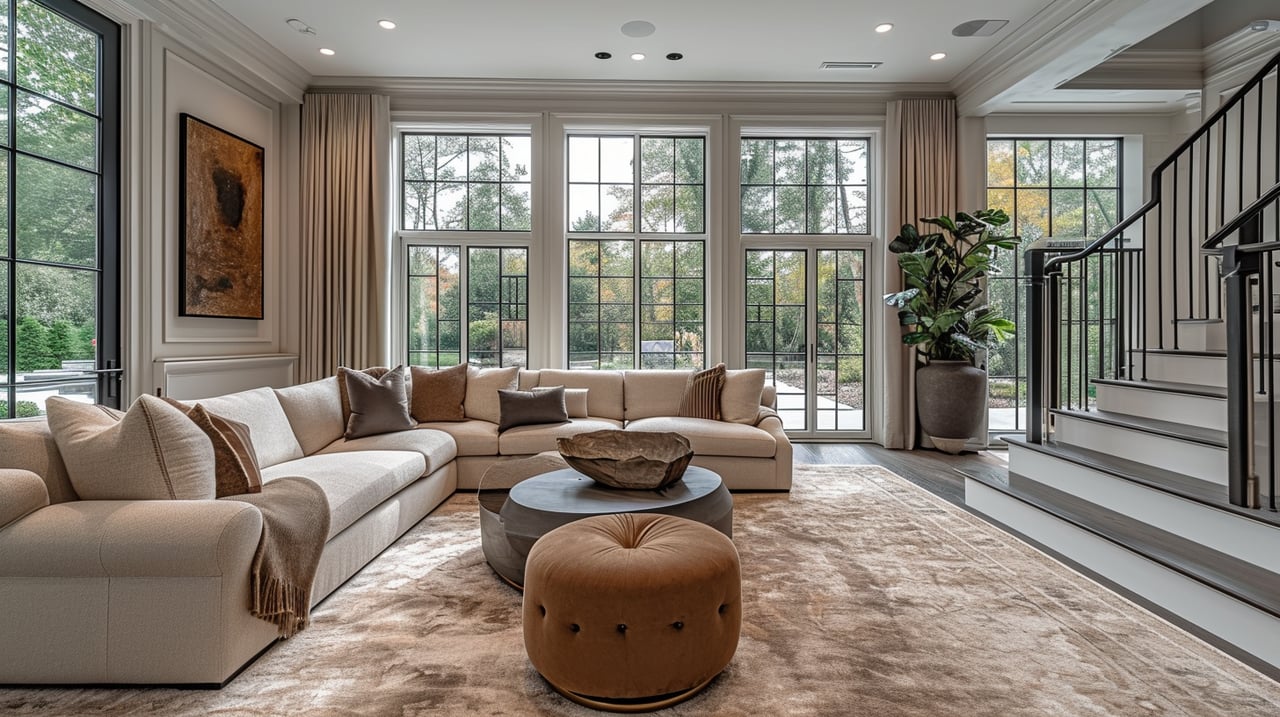
Even with the added process, new construction has clear appeal. You may get a more current layout, newer materials and systems, and finishes that better match how you want to live today.
For some buyers, the biggest advantage is alignment. A new home can offer open living spaces, cleaner lines, updated infrastructure, and a layout that feels more tailored to current routines and priorities.
Design still needs to fit Wayzata
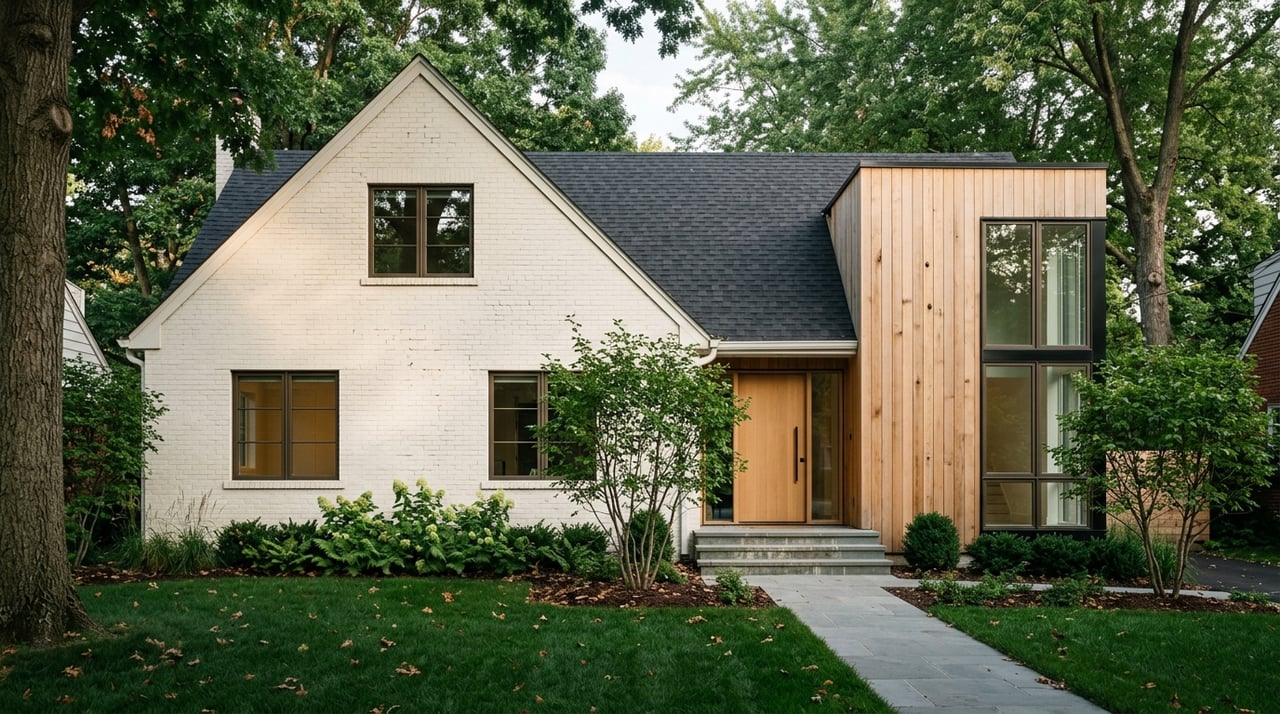
In Wayzata, new does not mean anything goes. The city’s design standards say new development should improve compatibility, reduce building mass, use quality materials, and reinforce the surrounding context instead of following a one-size-fits-all style.
So yes, a new home can feel modern. But in Wayzata, successful new construction usually respects the character of the site and the surrounding area rather than ignoring it.
What established homes offer in Wayzata
Established homes are a major part of Wayzata’s identity. The city’s housing chapter describes unique single-family neighborhoods and individual estates as a vital component of the community’s sense of place.
For buyers, that often translates to homes on longer-established streets, a wide range of architectural styles, and settings that feel rooted in Wayzata’s history. If you want character and a sense of place, established homes often deliver it in a way that is hard to replicate.
The style range is broader than many buyers expect
One of the most interesting things about Wayzata’s existing housing stock is how varied it is. The Wayzata Historical Society notes that the built environment spans roughly 16 decades and includes styles such as English Tudor Revival, Mediterranean Revival, Cotswold Tudor Revival, Arts and Crafts, Neoclassical Revival, and early modern design.
That means established homes in Wayzata are not all one type. You may find older lake cottages, estate properties, mid-century influences, or homes with modern design roots depending on the area and lot.
The buying path can be more direct
An established home usually offers a simpler purchase path than building from scratch. You can evaluate the home, the street, the lot, and the surrounding context as it exists today.
That can be especially valuable in a market like Wayzata, where so much of the appeal comes from location, neighborhood fabric, and how a property fits into the broader setting. If certainty matters to you, an existing home may feel easier to assess.
The tradeoff: customization versus character
This is where the decision usually becomes clearer. New construction often gives you more control over design and a more recent finished product, but it can also bring more approvals, more site constraints, and a longer runway.
Established homes often give you immediate character, established surroundings, and a faster purchase path, but they may come with more maintenance or future remodeling decisions. In some cases, even planned additions or major updates may require buyers to think carefully about permits, setbacks, and site limitations.
Resale in Wayzata: what tends to matter most
In Wayzata, resale is not just about whether a home is new or old. Based on the city’s planning priorities, a more useful way to think about long-term appeal is location, lot quality, and how well the home fits its setting.
The city places real emphasis on preserving established neighborhoods, guiding infill carefully, and shaping new development so it reflects Wayzata’s small-town and lake-oriented character. That suggests design fit and site quality may matter more than age alone.
How to decide which path fits you
If you are torn between the two, start with your priorities instead of the label. Ask yourself what matters most in your day-to-day life and what kind of buying process you are comfortable managing.
Here are a few practical questions to help narrow it down:
- Do you want a home that feels move-in ready and more aligned with current design preferences?
- Are you comfortable with a longer timeline and added municipal review?
- Would you rather buy into an established street and evaluate the setting right away?
- Are you open to renovation or ongoing maintenance in exchange for character and location?
- Are you considering a lake-adjacent property where setbacks, watershed rules, or shoreland requirements may shape what is possible?
New construction may fit you best if...
- You value updated design and newer systems
- You are comfortable with a longer timeline
- You want a home shaped around current lifestyle preferences
- You understand that approvals and site constraints may affect the process
Established homes may fit you best if...
- You value architectural character and neighborhood context
- You want a more immediate purchase path
- You like the variety found in Wayzata’s older housing stock
- You are prepared for maintenance, updates, or future improvement planning
The bottom line for Wayzata buyers
In Wayzata, this is not a simple new-versus-old debate. It is really about whether you want the flexibility and freshness of a new build or the character, immediacy, and established setting of an existing home.
Because Wayzata is largely built out, both options come with context that matters. New construction can be exciting, but it often requires patience and careful attention to approvals. Established homes can offer a quicker path and a deeper sense of place, but they may ask more of you over time in upkeep or renovation planning.
If you want help weighing those tradeoffs in the Lake Minnetonka market, Mark Parrish can help you compare opportunities, understand local context, and make a smart move with confidence.
FAQs
Are there many vacant lots for new construction in Wayzata?
- No. Wayzata’s housing plan says the city is fully built out and that developable land is scarce, so new construction is more often tied to infill, redevelopment, or subdivision opportunities.
Do lakefront or lake-adjacent rebuilds face special rules in Wayzata?
- Yes. Shoreland setback rules and watershed requirements can affect where and how a home can be built, along with the project timeline.
Can a modern home work in Wayzata?
- Yes. The city’s design standards allow new work to reflect current design, but it should still fit the surrounding context and use compatible scale and materials.
Are established homes in Wayzata all historic in style?
- No. Wayzata’s housing stock spans many decades and includes a wide range of styles, from older cottages and estate homes to early modern and other architecturally varied properties.
Is buying an established home usually faster than building new in Wayzata?
- In many cases, yes. An existing-home purchase is often more direct than a build-from-scratch project that may need permits, reviews, plats, or variances before construction begins.