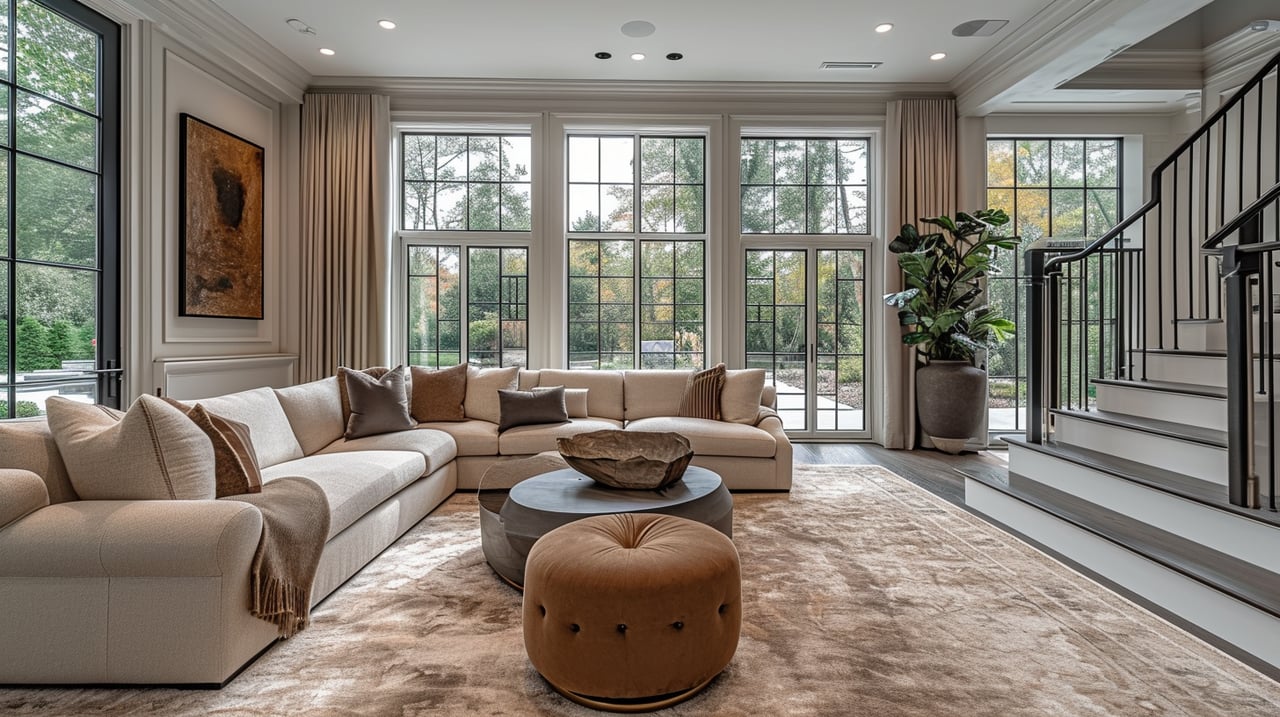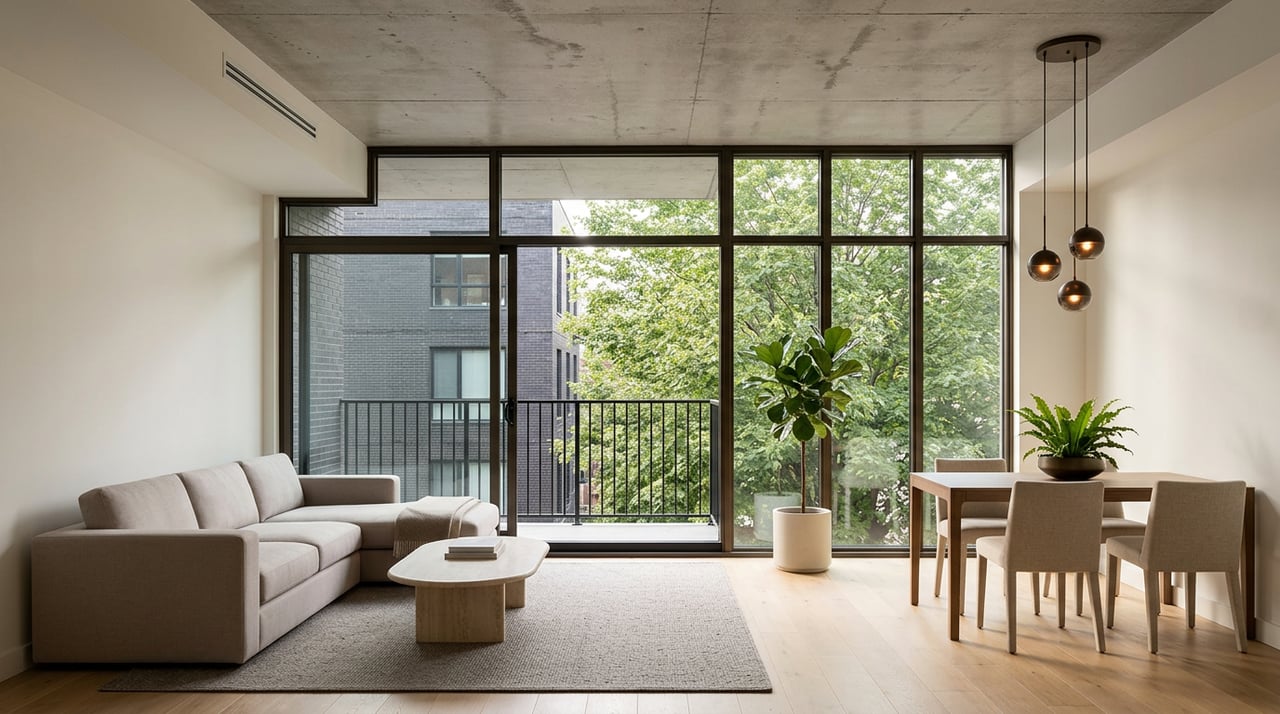
Torn between skyline views and a backyard in the western suburbs? You’re not alone. Many Twin Cities buyers weigh a downtown Minneapolis condo against a single-family home in Edina or Minnetonka. In this guide, you’ll compare prices, monthly costs, commute and lifestyle, financing and resale, plus a clear due-diligence checklist for a smart 5–10 year plan. Let’s dive in.
Market snapshot: prices and pace
Choosing starts with budget. Recent public vendor snapshots show many Minneapolis condos listing near the low-to-mid $200Ks, with roughly 460–470 condos on the market in mid-March 2026. Price varies by building class, amenities, parking, and location within the city.
By contrast, single-family homes in the close-in western suburbs trend higher. Edina’s typical market has floated in the mid-to-upper $500K–$700K range in recent vendor reports from 2024–2026. Minnetonka snapshots often land in the high $400Ks to around $500K, with lakefront and remodeled homes commanding more. For broader area trends by property type, consult the Minneapolis Area Realtors’ 2024 Annual Housing Report for context on supply, demand, and price movement across the region (MAAR 2024 report).
What this means for you: a condo can lower your entry price, which may free up cash flow for investing, travel, or lifestyle. A suburban single-family usually costs more upfront, but it comes with land, private outdoor space, and a broad buyer pool at resale.
Monthly costs: condo vs house
Your monthly budget is more than principal and interest. Use the list below to build a full picture for both options.
HOA dues and what they cover
Condo association dues are a fixed line item. In Minneapolis, you’ll see a wide range. Modest buildings can be a few hundred dollars per month, while amenity-rich downtown towers often run $600–$900 per month. Dues commonly cover exterior maintenance, building insurance on structure and common areas, snow removal, landscaping, elevators, and amenities. Some include utilities like water, sewer, or heat.
Two smart steps:
- Treat HOA dues as part of your housing payment, not an afterthought.
- Ask if a portion of dues funds a healthy reserve. Low fees without reserves can lead to special assessments later.
National research underscores the variability. Realtor-led analyses show median HOA dues differ widely by metro and product type. Always confirm the exact figure from the listing and the association budget.
Property taxes in Hennepin County
Property taxes vary by city and taxing districts. Historically, effective property tax rates in many Hennepin County areas often fall around 1.0–1.4 percent of market value, but your exact bill depends on the property and current levies. Use the county’s rate breakdown to estimate taxes for a specific address (Hennepin County 2026 rate breakdown).
Tip: compute taxes for each short-listed property using its assessed or market value and the most recent rate card.
Insurance differences: condo vs single-family
- Condos: You’ll typically buy an HO-6 policy that covers interior finishes, improvements, personal property, liability, and often loss assessment. The association’s master policy covers the structure and common areas. Learn the basics of policy types to compare coverage and deductibles early (Forbes Advisor guide).
- Single-family: You’ll purchase a homeowners policy (often HO-3 or HO-5) that covers the dwelling itself plus personal property and liability. Quotes vary by home age, size, roof condition, and claims history.
Maintenance and reserves
- Single-family: A common rule of thumb is to set aside about 1 percent of home value per year for maintenance. Older homes or large lots may warrant more. Include seasonal items like HVAC service, roof tune-ups, and winterization.
- Condos: The HOA handles exterior and shared systems, but you still budget for interior upkeep and possible special assessments. Review the reserve study, meeting minutes, and any disclosures about upcoming capital projects.
Budget checklist you can use
- Mortgage principal and interest
- HOA dues (condo) or exterior services (house) like snow and lawn
- Property taxes
- Homeowners insurance (HO-6 vs HO-3/HO-5)
- Maintenance reserve
- Utilities and parking fees (if applicable)
Financing and resale: what changes with condos
Warrantability and conventional loans
Lenders use Fannie Mae’s Condo Project Manager to determine if a condo building is warrantable. Units in warrantable projects typically qualify for standard conventional financing and broader buyer demand. Non-warrantable buildings can require portfolio loans, larger down payments, or cash, which can shrink the buyer pool at resale. Before you write an offer, ask your lender to check the project’s eligibility and what documents they need (Fannie Mae Condo Project Manager).
FHA/VA access
If you plan to use FHA or VA financing, confirm the condo project’s approval status or whether a single-unit approval is feasible. Verifying this early can save time and headaches later.
Resale dynamics in the Twin Cities
Single-family homes often benefit from land value and broad financing accessibility, which can support steadier resale demand. Condo appreciation is more building- and neighborhood-specific. Association finances, reserves, owner-occupancy rate, and maintenance track record all influence your future marketability. For trend context by property type, review regional reporting from the Minneapolis Area Realtors (MAAR 2024 report).
Lifestyle and commute realities
Walkability and day-to-day ease
If you value being near restaurants, fitness, theater, and transit, a Minneapolis condo often delivers higher walkability and simpler daily living. Many suburban neighborhoods offer charming commercial nodes and parks, but most errands will be car-based.
Commute times and future transit
Average commute times are comparable across the core and close-in suburbs. American Community Survey data for 2019–2023 show Minneapolis around 22.5 minutes on average, with Edina and Minnetonka commonly near 20–21 minutes. Location and highway access can matter more than city boundaries.
The METRO Green Line Extension (Southwest LRT) is under construction and testing, with revenue service planning extending into the coming years. When open, it will add light rail to parts of the west metro, including Minnetonka and Hopkins, which could shift commute options and daily mobility for certain neighborhoods (Met Council project page).
Parking, storage, and vehicle costs
- Condos: Expect assigned or underground parking. Some buildings charge additional monthly parking or have limited guest options. Storage lockers vary in size.
- Houses: Garages, sheds, and yards are standard. You’ll trade parking fees for snow removal, lawn care, and exterior upkeep.
Which path fits your 5–10 year plan
If you are planning for about 5 years
- Urban lifestyle, low-maintenance priority, want a lower entry price: A Minneapolis condo can be a strong fit. Focus on a well-run association with healthy reserves and good financing access.
- Need broad resale appeal or may use FHA/VA: A single-family home in Edina or Minnetonka often gives you a larger buyer pool and simpler loan options. Model the higher carrying costs before you decide.
If you are planning for about 10 years
- Space, yard, and flexibility for projects: A suburban single-family home usually offers more room to grow, outdoor living, and options for additions.
- Downsizing or investing in simplicity: A well-managed condo in a strong location can deliver easy living and predictable maintenance, provided the building’s finances and long-term capital plan look solid.
How to run the numbers right
Use representative listings from both markets and build apples-to-apples budgets. Keep a copy of each property’s HOA budget or property tax estimate so you can compare line items side by side.
Sample monthly comparison template
| Line item | Urban condo example | Suburban home example |
|---|---|---|
| Purchase price | Enter from listing | Enter from listing |
| Down payment % | Enter your plan | Enter your plan |
| Interest rate | Enter your quote | Enter your quote |
| Principal + interest | Auto-calc from above | Auto-calc from above |
| HOA dues | From listing/association | N/A |
| Exterior services | N/A | Lawn, snow if hired |
| Property taxes | Estimate per Hennepin rate card | Estimate per Hennepin rate card |
| Insurance | HO-6 quote | HO-3/HO-5 quote |
| Maintenance reserve | Modest interior reserve | ~1% of value per year |
| Utilities + parking | Building policies apply | Typical home utilities |
Two tips to avoid surprises:
- For condos, read the reserve study and recent meeting minutes before final commitment. Low reserves with big upcoming projects can add risk.
- For houses, ask about age and condition of roof, HVAC, sewer, and insulation, then price likely replacements into your long-term plan.
Due-diligence checklists
Condos: documents to review early
- Resale disclosure certificate, required in Minnesota for condo resales, outlines rights and key disclosures (Minnesota Statute 515B).
- Current year budget, recent audited financials or CPA review, and the association’s reserve study.
- Minutes from the last 6–12 months of board and owner meetings to spot capital projects, litigation, or special assessments.
- Master insurance policy declarations. Check coverage type and master policy deductible. Consider loss assessment coverage on your HO-6.
- Owner-occupancy rate, percentage of owners delinquent on dues, and any single-owner unit concentration. Lenders consider these in project reviews.
For loanability, ask your lender to review the building through Fannie Mae’s Condo Project Manager and advise on any red flags (Fannie Mae CPM).
Single-family homes: items to verify
- Age and condition of roof, HVAC, electrical, plumbing, sewer or septic, and insulation; request records and warranties when available.
- Property survey, easements, and driveway or private road maintenance terms, including snow removal responsibilities.
- Local zoning and permit history if you plan additions or accessory structures.
The bottom line
If you prize walkability, lower maintenance, and a lower entry price, a Minneapolis condo can be a smart, lifestyle-forward choice. If you want space, a yard, a two- or three-car garage, and broad resale demand, a home in Edina or Minnetonka is often the better long-term fit. Either way, your best decision comes from clear math, solid due diligence, and local insight into buildings and neighborhoods.
Ready to map the right move and model the costs on real listings? Connect with Mark Parrish to compare properties, understand tradeoffs, and move forward with confidence.
FAQs
What costs shift most between a Minneapolis condo and a suburban home?
- Expect HOA dues on condos to replace many exterior costs, while single-family homes add lawn, snow, and a larger maintenance reserve. Property taxes, insurance type, and parking can also change your monthly total.
How do I estimate Hennepin County property taxes before I buy?
- Use the county’s current rate card and the property’s assessed or market value to approximate the annual bill, then divide by 12 for a monthly estimate (Hennepin County 2026 rate breakdown).
What is a warrantable condo and why does it matter?
- A warrantable condo meets eligibility standards used by conventional lenders, which can broaden your buyer pool and simplify financing; ask your lender to check the building in Fannie Mae’s Condo Project Manager (Fannie Mae CPM).
Will the Southwest LRT change Minnetonka commutes or home values?
- The METRO Green Line Extension is advancing toward service, adding rail access to parts of the west metro; improved transit can shift commute patterns and convenience over time (Met Council project page).
What paperwork should I review for a condo purchase in Minnesota?
- Review the resale disclosure certificate, budget, financials, reserve study, recent meeting minutes, and master insurance policy before final commitment (Minnesota Statute 515B).
How do average commute times compare between city and suburbs?
- Recent ACS estimates place Minneapolis near 22–23 minutes on average, with close-in suburbs like Edina and Minnetonka often around 20–21 minutes; exact times vary by origin, destination, and rush-hour conditions.